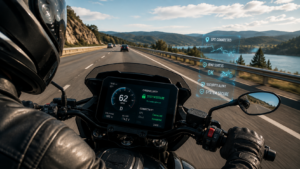
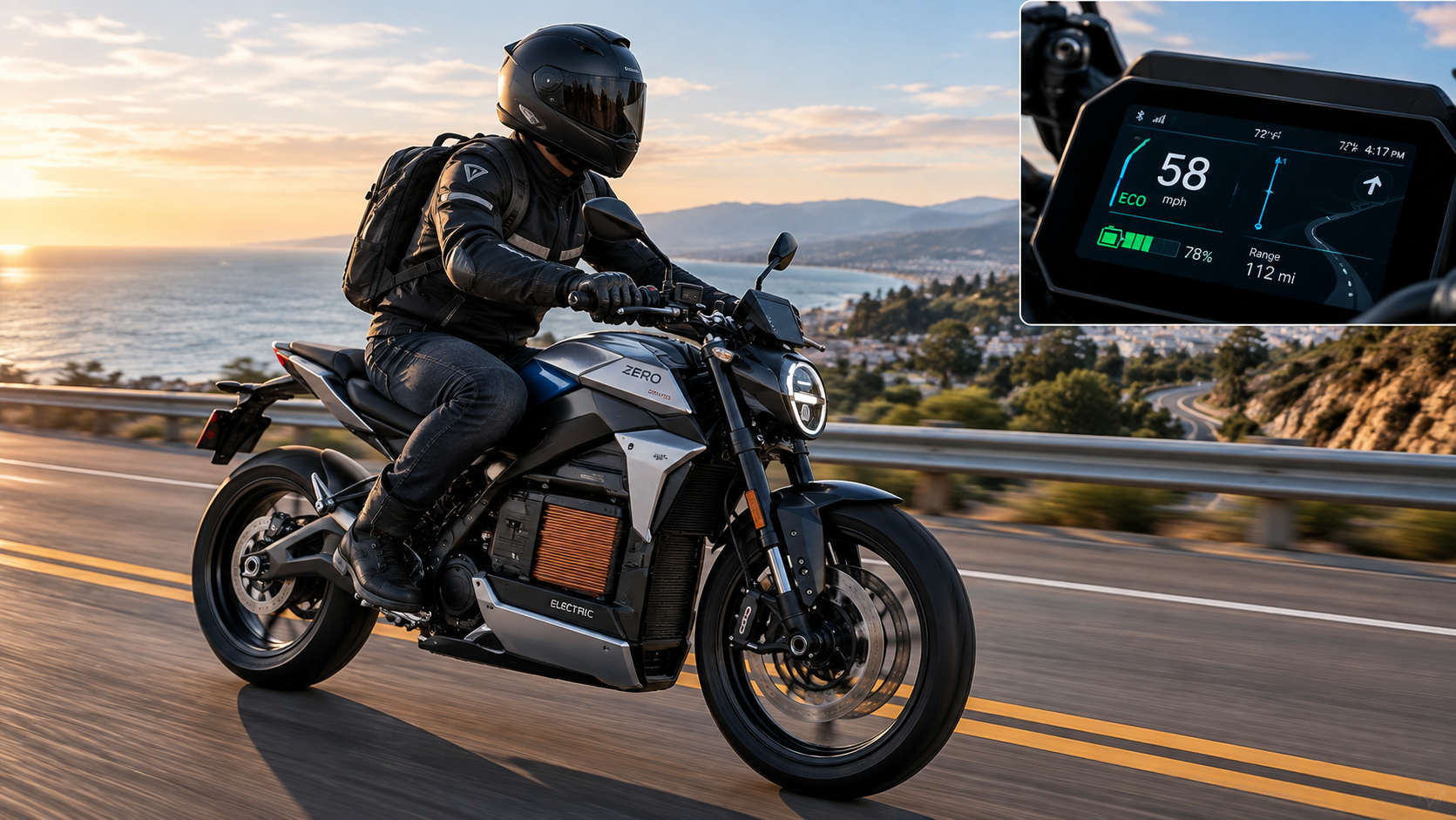
Electric motorcycles are becoming an increasingly popular alternative to traditional gasoline-powered bikes. Advances in battery technology, improved range, and faster charging systems are encouraging more riders to consider electric options.
However, electric motorcycles also introduce new safety and legal concerns. Lithium-ion batteries provide powerful energy storage, but damaged or defective battery systems may create risks including overheating, fires, and unexpected failures.
When an electric motorcycle accident involves battery damage or a fire, an important legal question may arise: who is responsible for the resulting injuries and damages?
Potential responsibility may involve manufacturers, battery suppliers, repair facilities, charging equipment providers, or other parties depending on the circumstances.
The Growth of Electric Motorcycles
The electric motorcycle market continues to expand as manufacturers develop lighter batteries, improved motors, and longer riding ranges.
Unlike traditional motorcycles that rely on gasoline engines, electric motorcycles use battery packs and electronic systems to generate power.
These systems may include:
- Lithium-ion battery modules
- Battery management systems
- Electric motors
- Charging systems
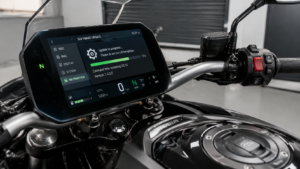
- Digital control units
While these technologies provide advantages, they also create additional components that may require investigation after an accident.
The U.S. Department of Energy provides information about electric vehicle technology and battery development.
Why Lithium-Ion Batteries Create Safety Concerns
Lithium-ion batteries are widely used because they provide high energy capacity in a relatively compact design. However, these batteries require careful engineering and protection systems.
Potential battery-related issues may include:
- Thermal runaway
- Battery cell damage
- Manufacturing defects
- Improper charging conditions
- Physical damage after collisions
After a motorcycle crash, battery damage may not always be immediately visible. Some failures may develop later as internal components become unstable.
The National Highway Traffic Safety Administration provides information regarding battery safety and vehicle technology concerns.
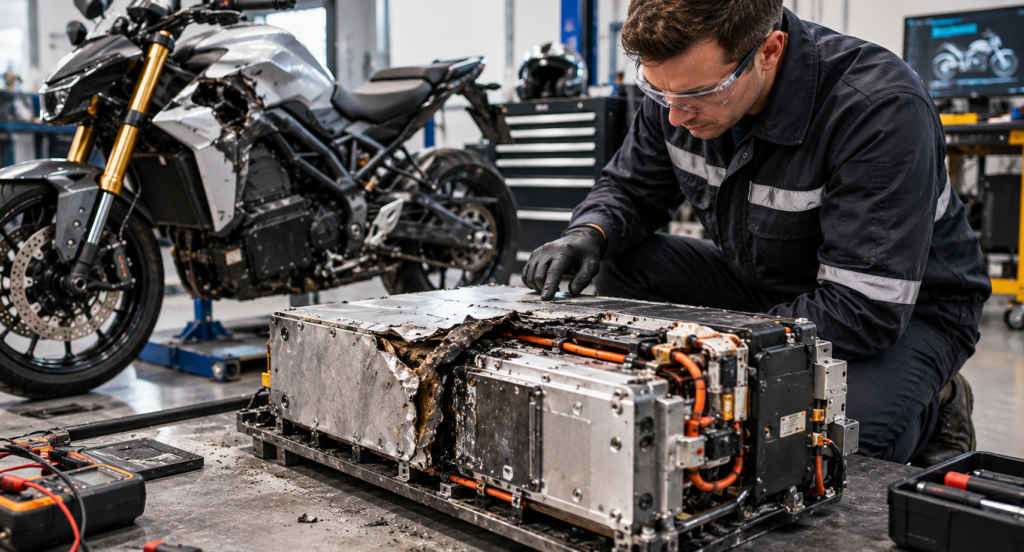
Can an Electric Motorcycle Battery Cause a Fire After a Crash?
Electric motorcycle batteries are designed with safety protections, but severe impacts may damage battery components.
A crash involving an electric motorcycle may require investigators to examine:
- Battery condition before the accident
- Crash impact location
- Charging history
- Battery management system records
- Maintenance history
Determining whether a battery fire resulted from impact damage, a manufacturing issue, or another cause may require technical investigation.
Who May Be Responsible for an Electric Motorcycle Battery Failure?
Liability after an electric motorcycle battery incident depends on the facts involved. Several parties may potentially be examined.
Motorcycle Manufacturer Responsibility
A manufacturer may face liability questions if a defective design, faulty component, or unsafe battery system contributed to an accident.
Battery Supplier Responsibility
Many electric motorcycles rely on specialized battery suppliers. A defect within battery cells or components may raise questions about supplier responsibility.
Repair Facility Responsibility
If a damaged battery was improperly repaired or inspected, the repair provider may become part of an investigation.
Charging Equipment Responsibility
Problems involving charging equipment or electrical systems may also create potential liability concerns.
For general product liability information, visit the Consumer Reports vehicle safety resources.
How Battery Evidence Is Investigated After a Crash
Electric motorcycle accident investigations may involve more than traditional crash analysis.
Experts may examine:
- Battery management system data
- Electronic control modules
- Charging records
- Thermal damage patterns
- Manufacturing information
Digital evidence is becoming increasingly important as motorcycles become more connected.
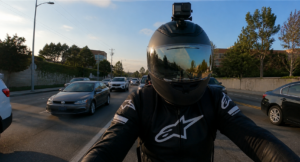
For related information, read our article about motorcycle camera evidence and accident investigations.
Charging Safety and Electric Motorcycle Risks
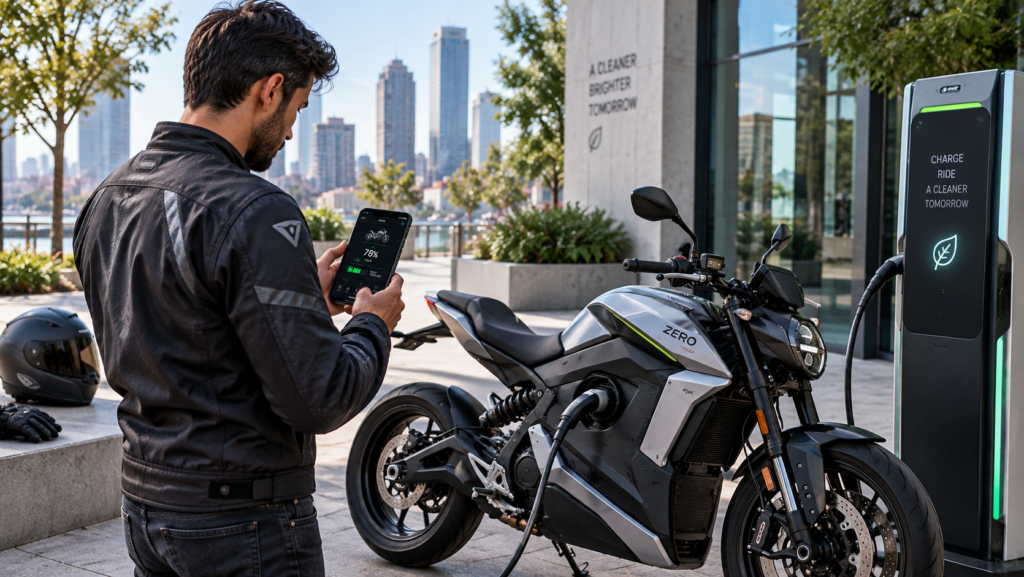
Proper charging practices are important for electric motorcycle safety. Riders should follow manufacturer recommendations regarding charging equipment, storage conditions, and battery maintenance.
Important safety considerations include:
- Using approved charging equipment
- Avoiding damaged charging cables
- Monitoring battery warnings
- Following manufacturer instructions
How Insurance Claims May Be Affected
Electric motorcycle accidents involving battery damage may create complicated insurance questions.
Insurance companies may evaluate:
- Crash responsibility
- Battery replacement costs
- Fire-related damage
- Vehicle repair expenses
Because electric motorcycle components can be expensive, battery-related damage may significantly affect the value of a claim.
The Future of Electric Motorcycle Safety Regulations
As electric motorcycles become more common, safety standards and regulations will continue developing.
Future regulations may address:
- Battery testing requirements
- Crash safety standards
- Charging system protections
- Battery disposal procedures
Organizations such as the Society of Automotive Engineers continue developing technical standards for vehicle electrification.
Related Motorcycle Law Articles
- Motorcycle Software Updates and Crash Liability
- Motorcycle Cybersecurity Risks
- Motorcycle Camera Evidence Guide
- Lane Splitting and Filtering Laws
Final Thoughts
Electric motorcycles represent an exciting development in transportation, but they also create new legal and safety challenges.
Battery failures, charging problems, and crash-related fires may require detailed investigations to determine responsibility.
As electric motorcycles continue gaining popularity, understanding battery safety and liability issues will become increasingly important for riders, manufacturers, and regulators.