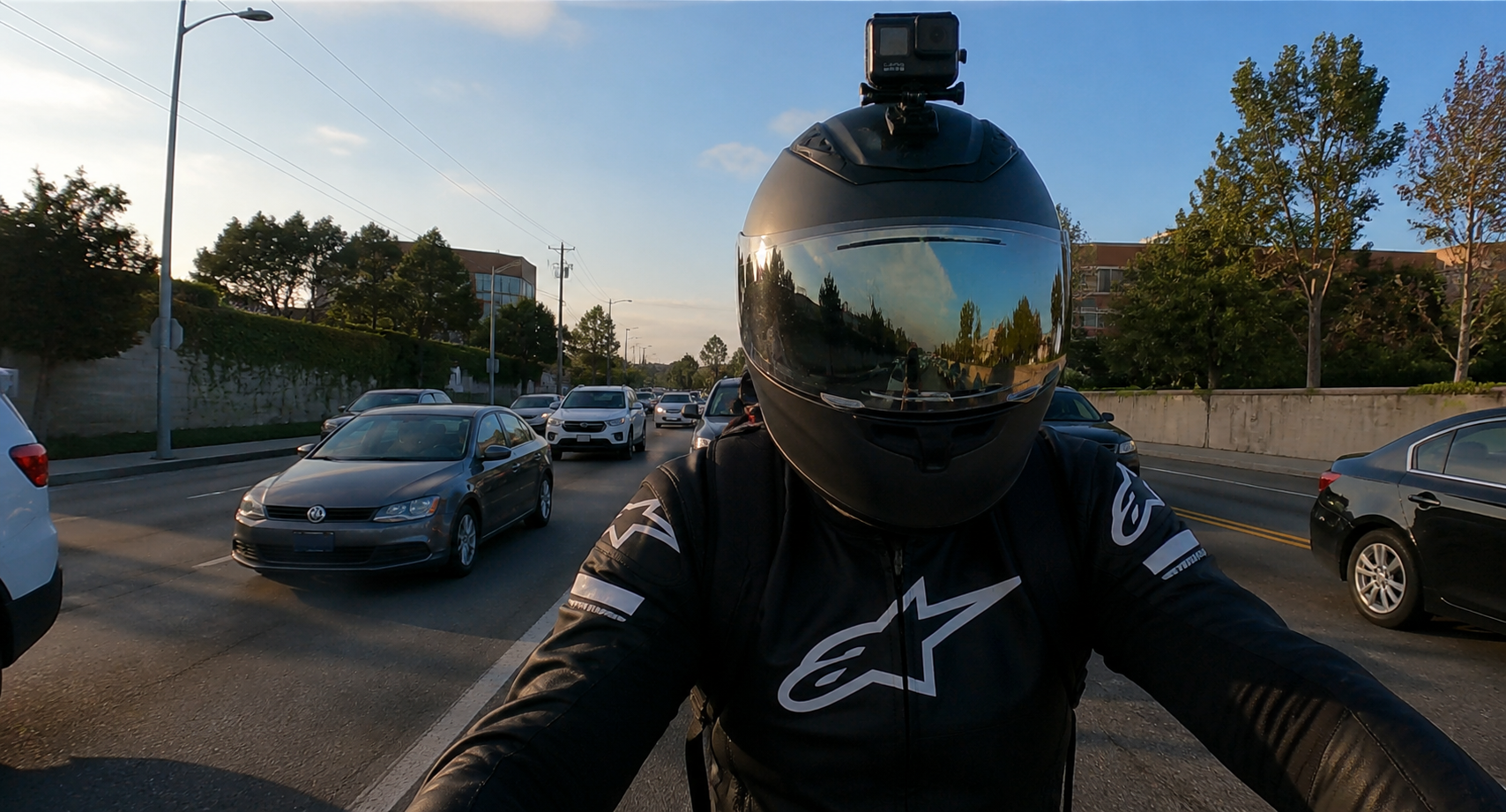
Motorcycle cameras are becoming more common among riders. Helmet cams and dash cams can capture real-time footage of the road, traffic behavior, and unexpected incidents. Many riders now use them not just for content, but for protection. Understanding the legal rules and how footage may be used after an accident is becoming more relevant than ever.
What Are Motorcycle Cameras?
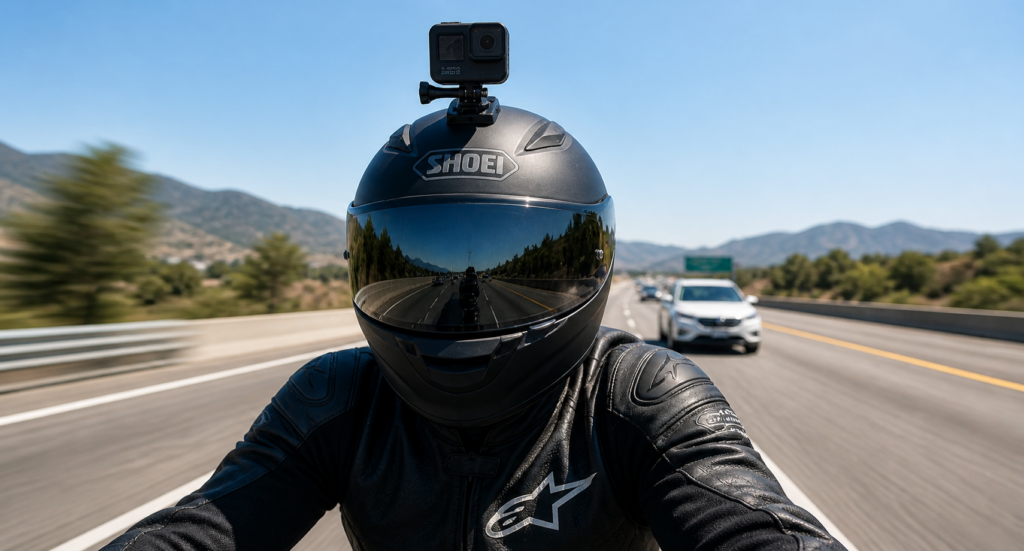
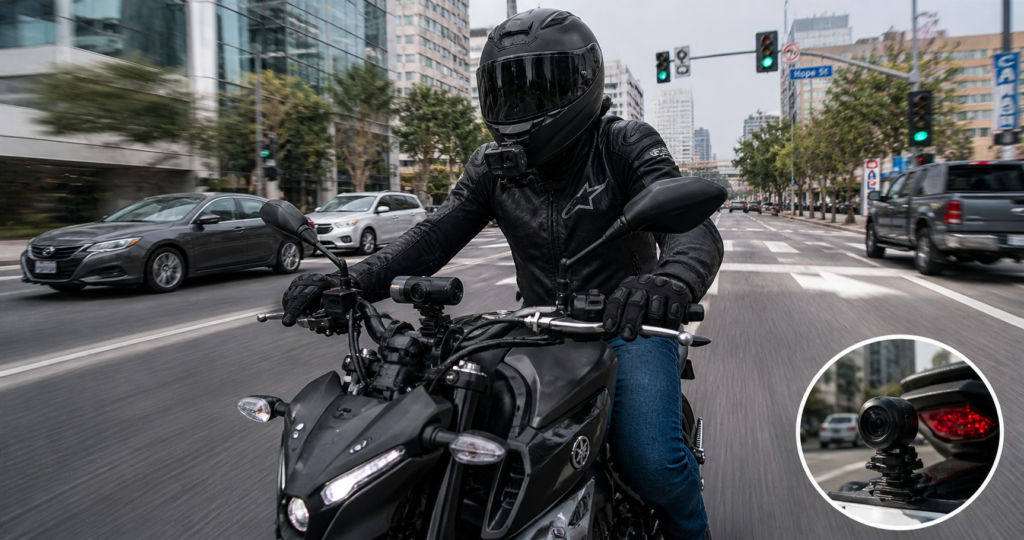
Motorcycle cameras include helmet-mounted cameras, handlebar dash cams, and rear-facing recording systems. These devices continuously record while riding and can capture accidents, near misses, and driver behavior.
Many riders install cameras to document rides, but they also serve another purpose. Video footage may provide an objective record when disputes arise after a crash.
Are Motorcycle Cameras Legal?
Motorcycle camera laws vary depending on the state. In general, recording video in public spaces is allowed. However, issues may arise with:
- Audio recording laws
- Camera placement and obstruction
- Privacy considerations
For example, some states follow two-party consent laws for audio recording. This means recording conversations without consent may create legal concerns. Riders using cameras with microphones should review local laws carefully.
You can learn more about general recording laws from Reporters Committee for Freedom of the Press.
Do Cameras Obstruct Your View?
Camera placement is another factor. Mounting a device on your helmet or handlebars should not block your view. Laws often require that nothing interferes with safe operation of the motorcycle.
Some states have strict rules about windshield obstructions, which may extend to mounted devices. Checking your local vehicle code may help avoid fines.
For more safety guidelines, visit NHTSA Motorcycle Safety.
How Camera Footage May Help After an Accident
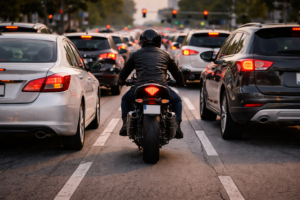
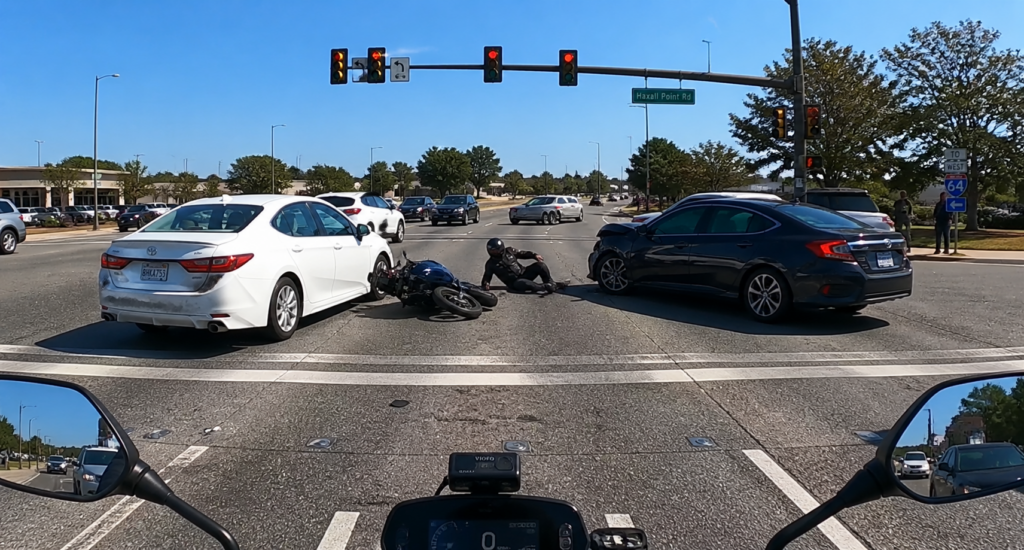
Motorcycle accidents often involve disputes about what happened. Drivers may deny fault or provide conflicting statements. Video footage may help clarify the sequence of events.
Camera recordings may show:
- Traffic signals and road conditions
- Lane positioning
- Driver behavior before impact
- Speed and movement patterns
This type of evidence may support your version of events when dealing with insurance companies or legal claims.
Can Camera Footage Be Used in Court?
Yes, motorcycle camera footage may be used as evidence in many cases. However, it must meet certain standards. The footage should be clear, authentic, and relevant to the incident.
Courts may consider:
- Whether the footage has been edited
- The accuracy of timestamps
- Chain of custody
Video evidence is often used alongside police reports and witness statements. It does not replace other evidence but may strengthen a claim.
For legal insights, refer to American Bar Association.
Insurance Claims and Video Evidence
Insurance disputes are one of the main reasons riders install cameras. After a crash, insurers may question liability. Video footage may provide clarity and reduce disagreements.
Some riders report faster claim processing when video evidence is available. While outcomes vary, footage may help support your position during negotiations.
You can also explore related topics on your site here: Strange Motorcycle Laws That Still Exist
Privacy Concerns Riders Should Know
Even though recording in public is generally allowed, privacy concerns still exist. Riders should avoid recording private property or sensitive situations without awareness of local rules.
Posting footage online may also create additional risks. Faces, license plates, and identifiable details may raise privacy issues.
For privacy guidelines, visit Federal Trade Commission Privacy Resources.
Best Practices When Using Motorcycle Cameras
Using a camera responsibly may help avoid legal issues while maximizing its benefits.
- Mount the camera securely without blocking visibility
- Check local audio recording laws
- Keep footage unedited if used as evidence
- Store recordings safely
- Avoid risky behavior while recording
Following these practices may help ensure your footage remains useful and legally acceptable.
Are Motorcycle Cameras Worth It?
Many riders see cameras as an added layer of protection. While they do not prevent accidents, they may help document what happens before, during, and after an incident.
They may also promote safer riding habits, as riders become more aware of their actions when recording.
If you are exploring safety topics, check this related article: Lane Splitting: Why It’s Legal Only in California and Controversial Elsewhere
Future Trends in Motorcycle Technology
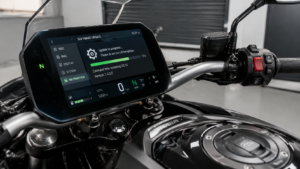
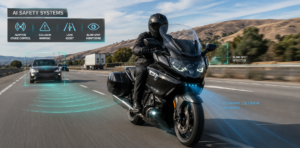
Camera technology continues to evolve. New systems include AI-assisted detection, automatic incident recording, and cloud storage integration.
As these technologies develop, laws may also adapt. Riders should stay updated on regulations affecting recording devices and digital evidence.
Industry updates can be found at Motorcyclist Online and RevZilla Common Tread.
Final Thoughts
Motorcycle cameras are becoming a practical tool for riders. They may provide useful documentation in accidents and help clarify disputes. However, understanding local laws and using the devices responsibly is essential.
As more riders adopt this technology, awareness of legal boundaries and best practices may help avoid complications while maximizing the benefits of recorded footage.