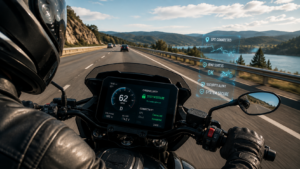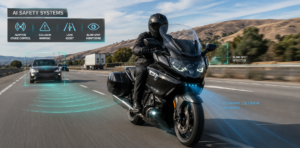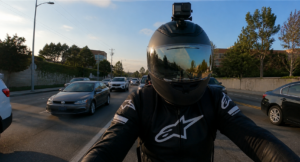

Motorcyclists often face the challenge of navigating through traffic, and lane splitting or filtering is one way to do so. But where is it legal, and what are the risks involved? In this guide, we’ll break down the rules, risks, and best practices for lane splitting and filtering to keep you safe and informed.
What Is Lane Splitting and Filtering?
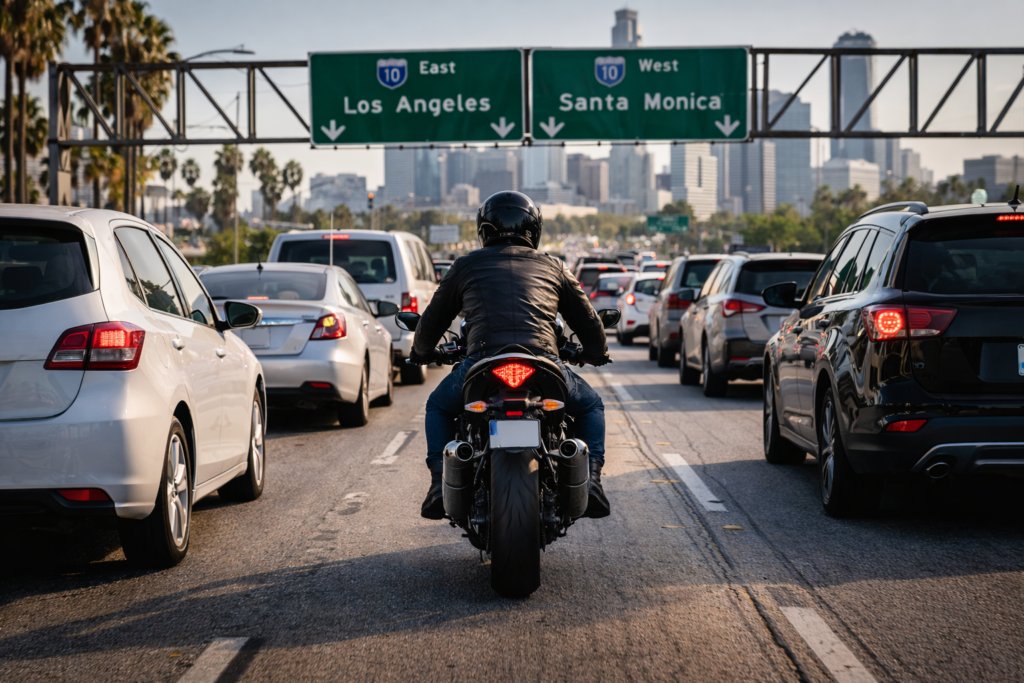
Lane splitting refers to the practice of riding a motorcycle between lanes of slow-moving or stopped traffic. Filtering is a similar concept but typically occurs when the traffic is at a standstill, such as at a red light.
Though it can be a convenient way to bypass traffic, lane splitting and filtering come with a set of rules and potential risks. The legality of these practices varies widely across the United States and even within individual states.
Where Is Lane Splitting Legal?
As of 2026, lane splitting is legal in only a few states. The most notable state where lane splitting is allowed is California, where it’s explicitly legalized under certain conditions. Riders can only split lanes when traffic is moving at 30 miles per hour or less, and they must remain within 10 miles per hour of the surrounding traffic. However, lane splitting is not permitted when traffic is moving at higher speeds.
Other states, such as Utah, have recently introduced or are considering legislation that permits lane splitting under specific circumstances. Riders should always check their local laws before practicing lane splitting to avoid any legal complications.
Where Is Lane Splitting Illegal?
Lane splitting remains illegal in many states. Some of these states have banned lane splitting for safety concerns, while others have never considered it as a legal practice. In states like Florida and Texas, motorcyclists can face fines or penalties if they engage in lane splitting. If you ride in these areas, it’s crucial to remain in your lane and avoid splitting to prevent legal consequences.

The Risks of Lane Splitting
While lane splitting may seem like an efficient way to avoid traffic, it’s not without its risks. Motorcyclists who lane split face potential dangers such as:
- Unexpected vehicle movements – Vehicles may change lanes without signaling or may not see the rider approaching.
- Collision with side mirrors – Motorcyclists can sometimes strike side mirrors when riding too close to vehicles.
- Legal uncertainties – Riders may face difficulty in proving their rights if an accident occurs while lane splitting.
It’s important to practice caution and ensure you are aware of your surroundings when considering lane splitting, even in states where it’s legal.
Lane Filtering: A Safer Alternative?
Lane filtering may be a safer alternative to lane splitting, especially when traffic is completely stopped. Many motorcyclists find that filtering allows them to avoid the frustration of being stuck behind traffic, while also minimizing the risks associated with lane splitting. Like lane splitting, lane filtering is only legal in a handful of states, such as California, where the practice is more commonly accepted.

Best Practices for Lane Splitting and Filtering
If you’re in a state where lane splitting or filtering is legal, here are some best practices to help ensure your safety:
- Stay alert – Always be aware of surrounding traffic and anticipate potential hazards.
- Use the proper speed – Maintain a safe speed that matches or exceeds the surrounding traffic conditions.
- Don’t weave between lanes – Stick to a steady path, avoiding erratic movements that could surprise other drivers.
- Wear protective gear – Make sure you’re wearing protective equipment like gloves, jackets, and helmets.
Conclusion
Lane splitting and filtering can be beneficial for motorcyclists, but they come with significant risks and legal implications. Make sure to stay informed about the laws in your state and always ride safely. As always, practicing good judgment and staying alert can make a significant difference in your riding experience.
Related Articles:
External Resources: