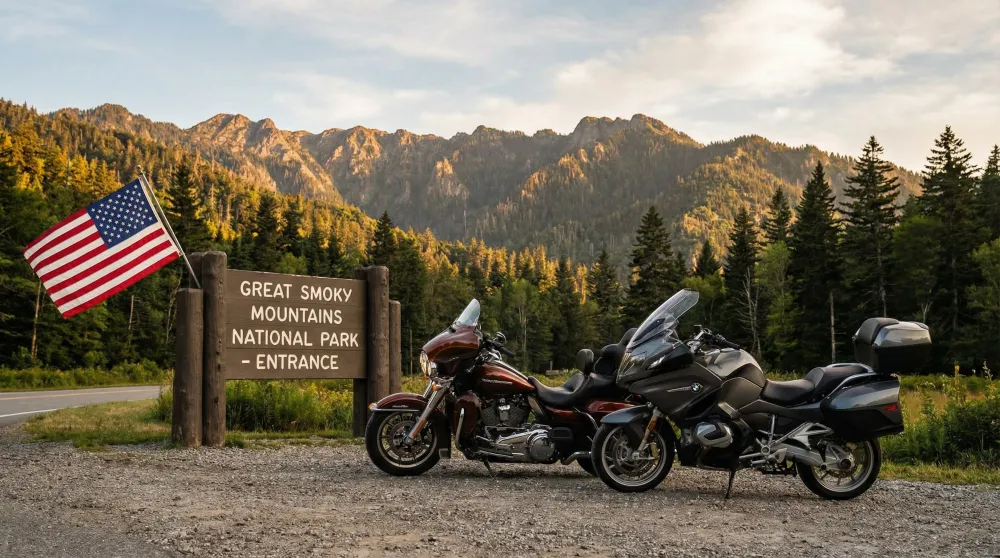
The open road and the breathtaking landscapes of America’s national parks have always been a perfect match for motorcycle enthusiasts. However, recent policy changes created unexpected hurdles for riders looking to explore these natural wonders together. Fortunately, the legislative landscape is shifting in favor of motorcyclists. On March 3, 2026, the United States House of Representatives passed the America the Beautiful Motorcycle Fairness Act (H.R. 4386) by a voice vote. This significant piece of legislation aims to restore equitable access for riders visiting federal recreational lands.
Understanding the implications of this bill is crucial for anyone planning a cross-country journey or a weekend getaway to a national park. The act specifically addresses the entrance privileges associated with the America the Beautiful interagency pass. By examining the history of this pass and the recent legislative actions, riders can better prepare for their upcoming adventures. This comprehensive guide breaks down the details of H.R. 4386, its impact on the motorcycling community, and what you need to know before your next ride.
The History of the America the Beautiful Pass for Motorcyclists
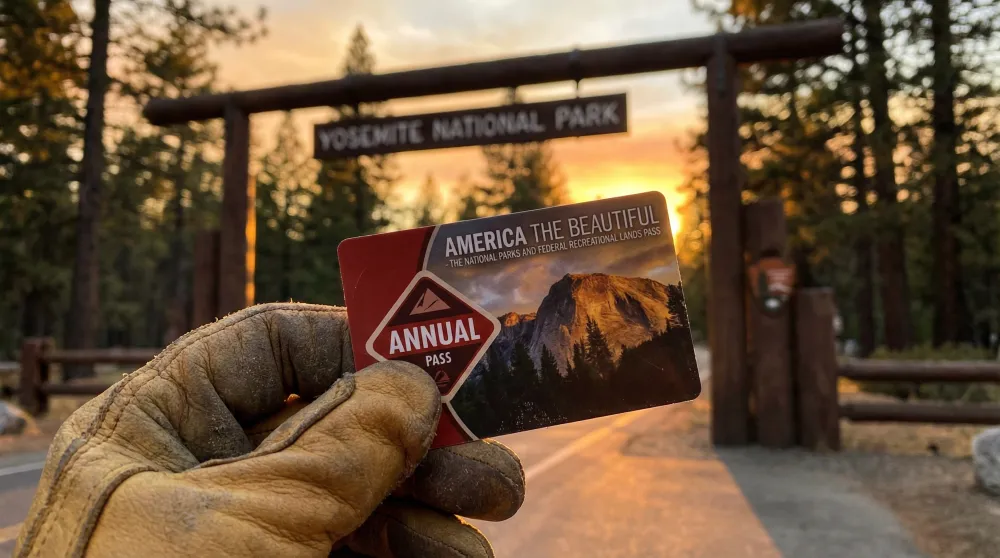
For years, the America the Beautiful Annual Pass served as a golden ticket for outdoor enthusiasts, including motorcyclists. This interagency pass covers entrance fees at over 2,000 federal recreation sites across the country, including national parks, national forests, and wildlife refuges. Historically, the policy allowed two individuals to share the benefits of a single pass. This meant that two riders traveling together on separate motorcycles could gain entry using just one annual pass — an arrangement that was not only cost-effective but also encouraged group riding and camaraderie among motorcyclists.
However, the situation changed dramatically in 2024. The policy was revised to allow only one individual to be listed on the pass, thereby eliminating the option for two motorcyclists to share the same pass. While the annual pass continued to permit entrance for the pass owner and up to three passengers in a private vehicle, it restricted motorcycle entry to just one motorcycle with up to two passengers. This discrepancy created a clear disadvantage for riders compared to those traveling in cars or SUVs. If you were planning a trip and reviewing our State-by-State Motorcycle Law Breakdown, this policy change added an unexpected layer of complexity and cost to your journey.
The Reversal and the Push for Codification
The motorcycling community quickly voiced its concerns regarding the 2024 policy revision. Advocacy groups, including the American Motorcyclist Association (AMA ), highlighted the unfairness of the new rule. Their efforts, combined with the voices of countless riders, eventually caught the attention of policymakers. In November 2025, President Trump and Interior Secretary Doug Burgum reversed the restrictive decision, announcing that the America the Beautiful pass would once again allow entry for two motorcycles per pass, restoring the previous standard.
While this administrative reversal was a significant victory, it left the policy vulnerable to future changes by subsequent administrations. This is precisely where the America the Beautiful Motorcycle Fairness Act comes into play. Introduced to provide long-term certainty, H.R. 4386 seeks to codify the two-motorcycle-per-pass policy into law. By amending the Federal Lands Recreation Enhancement Act, the legislation requires the Secretary of the Interior to issue clear guidance stating that one annual pass permits the admittance of two motorcycles. This legislative move ensures that the rights of riders are protected permanently, rather than relying on temporary administrative directives.
Why H.R. 4386 Matters for Rider Rights
The passage of H.R. 4386 is more than just a matter of saving a few dollars at the park entrance — it is a fundamental issue of rider rights and equality. Motorcyclists often face unique legal and regulatory challenges, from navigating complex Helmet Laws Across the U.S. to understanding the nuances of Lane Splitting regulations. The America the Beautiful Motorcycle Fairness Act addresses a specific instance where riders were treated differently than drivers of traditional passenger vehicles.
Representative Tim Walberg, a lifelong motorcycle rider and the sponsor of the bill, emphasized the importance of fair access. He stated: “As America celebrates its 250th birthday, the America the Beautiful Motorcycle Fairness Act will ensure that motorcycle enthusiasts from across the country have fair access to our national parks and public lands.” Furthermore, the legislation supports local economies that rely heavily on tourism generated by national park visitors. When riders have equitable access, they are more likely to travel, spend money in gateway communities, and contribute to the economic vitality of these regions.
The Motorcycle Industry Council has also been a vocal supporter of rider-friendly legislation. AMA Board Chair Tom Umphress added: “Motorcycling is a fundamental part of our culture, symbolizing independence, freedom, and the American spirit.” This sentiment resonates deeply with riders who view their motorcycles not just as transportation, but as a way of life.

The Broader Context of Motorcycle Legislation in 2026
The America the Beautiful Motorcycle Fairness Act is part of a broader and increasingly active landscape of motorcycle-related legislation in 2026. As lawmakers grapple with evolving transportation trends, riders must stay informed about bills that could impact their lifestyle and legal standing. For instance, another significant piece of legislation currently under discussion is H.R. 3385, a proposed bill that aims to redefine the term “motorcycle” at the federal level. If passed, it would potentially exclude three-wheeled autocycles like the Polaris Slingshot from the motorcycle classification, creating a legal gray area for thousands of vehicle owners.
Such legislative efforts highlight the ongoing need for vigilance within the motorcycling community. Just as riders must be aware of 10 Strange Motorcycle Laws That Still Exist, they must also monitor federal bills that could alter the definition of their vehicles or their access to public lands. The success of H.R. 4386 demonstrates that coordinated advocacy can lead to positive outcomes. Staying connected with organizations like the AMA and the Motorcycle Industry Council is one of the most effective ways riders can protect their interests.
Planning Your Next National Park Adventure
With the America the Beautiful Motorcycle Fairness Act moving through the legislative process, riders can look forward to more accessible national park adventures. The America the Beautiful Annual Pass remains one of the best investments a rider can make, providing access to a vast network of National Park Service sites, national forests, and wildlife refuges for a single annual fee.
When preparing for your journey, it is essential to ensure your motorcycle is ready for the long haul. Checking your tires, fluids, and ensuring you have appropriate gear for varying weather conditions are all critical steps. Additionally, reviewing the specific regulations of the parks you intend to visit is always a smart move. While the entrance fee policy is being standardized through H.R. 4386, individual parks may have specific rules regarding noise levels, off-road riding, or wildlife interactions. By staying informed and prepared, you can maximize your enjoyment of America’s natural treasures.
The Future of Motorcycling on Federal Lands
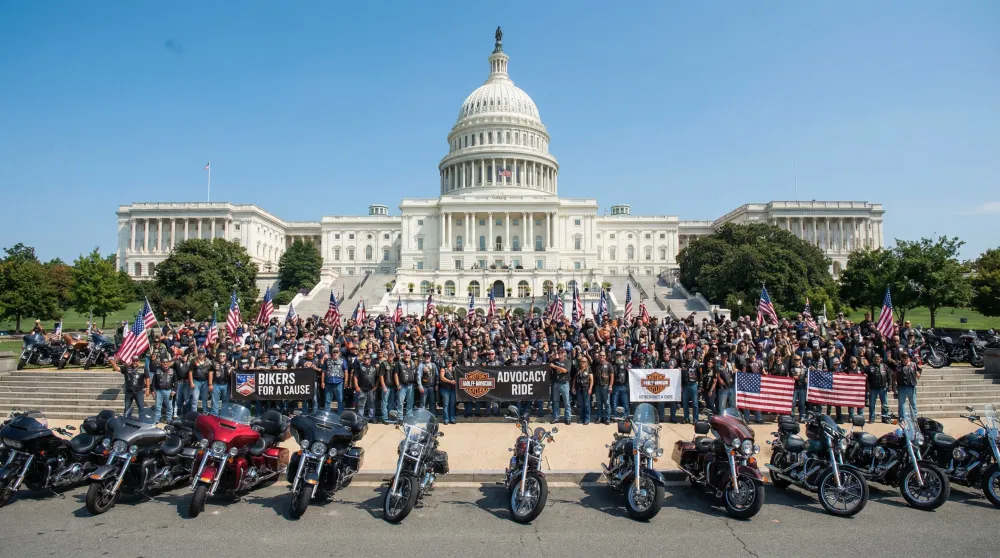
The overwhelming bipartisan support for H.R. 4386 in the House of Representatives is a promising sign for the future of motorcycling on federal lands. The voice vote passage indicates a broad consensus that motorcyclists deserve fair and equal treatment when accessing public recreational areas. As the bill moves to the Senate for consideration, the motorcycling community remains optimistic about its final enactment into law.
This legislative victory also serves as a reminder of the power of grassroots advocacy. When riders unite to share their experiences and concerns with their elected representatives, meaningful change can occur. Whether it is fighting for equitable park access or clarifying the legal status of emerging vehicle types — such as those discussed in our article on Is Your E-Bike a Motorcycle? — active participation in the legislative process is vital. Riders who stay engaged, stay informed, and stay connected are the ones who ultimately shape the laws that govern their freedom on the road.
Conclusion
The America the Beautiful Motorcycle Fairness Act represents a significant step forward for rider rights and equitable access to our nation’s most cherished landscapes. By codifying the two-motorcycle-per-pass policy, H.R. 4386 ensures that riders can continue to explore federal recreational lands without facing unfair financial burdens or administrative uncertainty. As we celebrate this legislative progress, it remains important to stay engaged and informed about the laws that shape our riding experiences.
Whether you are a seasoned cross-country tourer or a weekend warrior, the open road beckons. With the protections offered by the America the Beautiful Motorcycle Fairness Act, you can confidently plan your next adventure to a national park, knowing that your right to ride and explore is being recognized and defended at the highest levels of government. Stay safe, stay informed, and enjoy the unparalleled freedom that comes with exploring America on two wheels.